
Comprehensive Compliance for Medical Devices
TÜV Rheinland supports medical device manufacturers with a complete suite of compliance services, including ISO 13485 quality system audits, IEC 60601 testing for active medical equipment, and biomaterial testing aligned with ISO 10993 standards.
Our NABL, A2LA, CBTL, and DAkkS-accredited laboratories in India, recognized by BIS and equipped with advanced in-house capabilities, ensure faster turnaround times, dependable results, and seamless access to both local and international markets.
We understand the complexities of medical device regulations and support you with reliable testing and auditing services at every stage of your product lifecycle. Our experts offer testing and certification support for both active and non-active medical devices.

End-to-End Compliance Solutions for Medical Devices
From design validation to final certification, our services minimize compliance risks and help you stay aligned with evolving global standards. We tailor our testing and certification approach to meet requirements for local and global markets. Partner with TÜV Rheinland to navigate these challenges.
TÜV Rheinland’s Comprehensive Compliance Services for Medical Devices
IEC 60601 Testing:
Ensure the electrical safety, essential performance, and electromagnetic compatibility (EMC) of active medical devices through comprehensive IEC 60601 testing. These evaluations are crucial for identifying risks under both normal and fault conditions. Our testing supports international certifications such as CB Scheme and cTUVus, enabling safe, compliant, and efficient global market access.
Wireless IoT Testing:
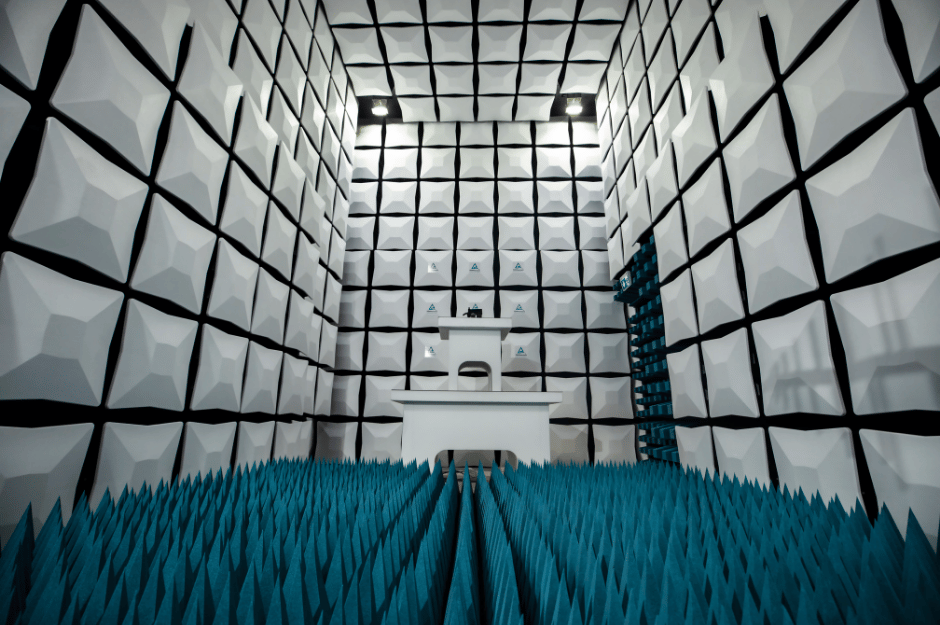
Validate the wireless performance of connected medical devices by assessing signal consistency, interference resistance, and electromagnetic compatibility (EMC). These tests are essential for ensuring reliable real-time communication across diverse healthcare environments. Compliance with wireless standards helps minimize transmission errors, supports patient safety, and ensures seamless integration of devices into both clinical and remote care systems.
Reliability Testing:
Simulate real-world stress conditions such as temperature fluctuations, mechanical vibrations, and humidity exposure to evaluate the durability and reliability of medical devices. Reliability testing helps identify potential failure points, ensures product robustness over time, and provides critical data to refine designs—ultimately supporting safe use, regulatory compliance, and efficient long-term performance in healthcare applications.
Acoustic Testing:
Measure the accuracy, frequency, and sound pressure levels generated by medical devices under controlled laboratory conditions. Acoustic testing ensures that sound emissions are clear, consistent, and within acceptable regulatory limits. This evaluation supports compliance, enhances usability, and safeguards patient and operator comfort in both clinical and home healthcare environments.
Material Safety & Biocompatibility for Medical Devices:
To ensure medical devices do not pose any harmful effects to the human body, we conduct thorough material evaluations. This includes advanced material characterization using techniques such as Micro-CT, SEM, and TEM to detect internal flaws, verify physical/mechanical characteristics, and assess microstructural integrity. Additionally, TÜV Rheinland performs biocompatibility testing in accordance with ISO 10993 standards covering cytotoxicity and other key assessments, to confirm that materials are safe for biological contact. Together, these evaluations support the development of safer medical devices and accelerate regulatory approvals worldwide.
ISO 13485 Quality Management System Audits:
Strengthen the quality foundation of your medical devices by aligning with ISO 13485 standards. Our structured audits enhance documentation, risk management, and process traceability, ensuring readiness for regulatory approvals and global market access.
Key Industry Pain Points We Address:
Electrical Safety and EMC Testing

- Delays in certification of active medical devices due to non-compliance with safety, performance, and EMC standards.
- Limited market access caused by inadequate test documentation for CB Scheme and cTUVus certifications.
Wireless IoT Testing
- Connectivity failures and inconsistent signal performance in real-world healthcare environments.
- Risk of non-compliance with global wireless and EMC regulations, affecting device approval timelines.
Reliability Testing
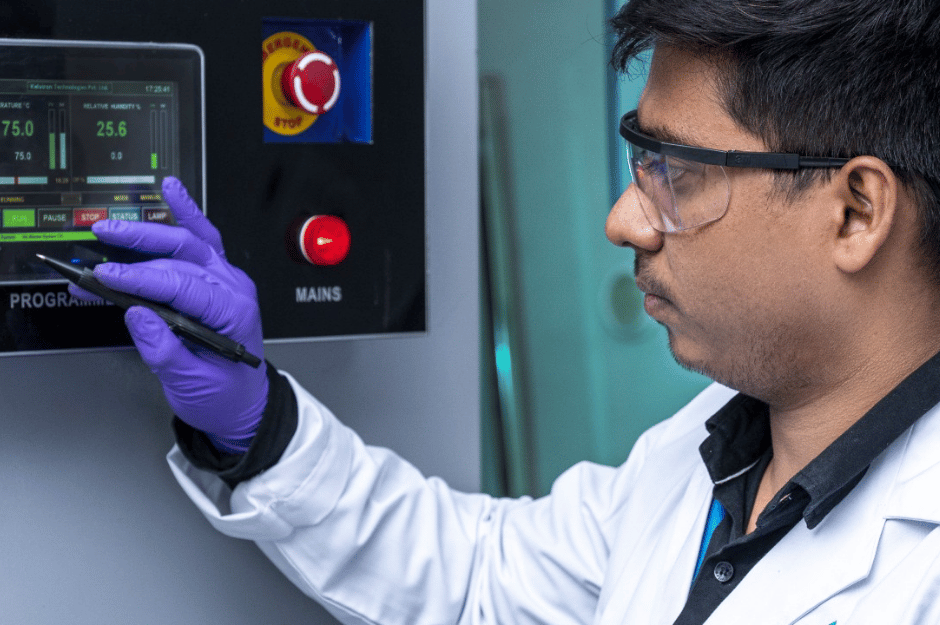
- Product failure due to insufficient stress testing under temperature, vibration, and humidity conditions.
- Hidden design flaws that surface post-launch, increasing recall risk and warranty costs.
Acoustic Testing
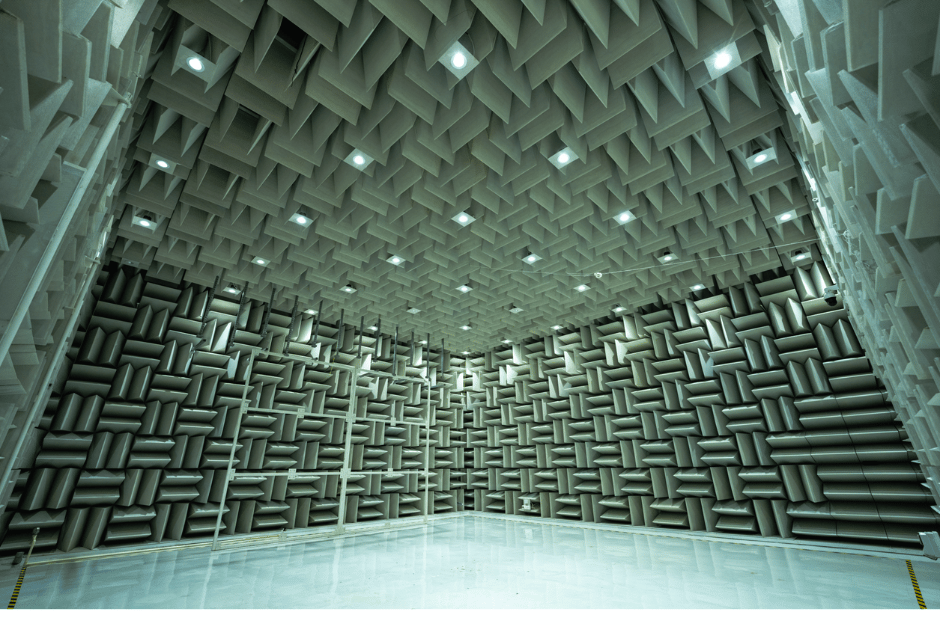
- Unverified sound pressure levels or inaccurate frequency can compromise user safety and regulatory compliance.
- Lack of acoustic validation during development increases risk of market delays and performance issues.
Material & Biocompatibility Safety
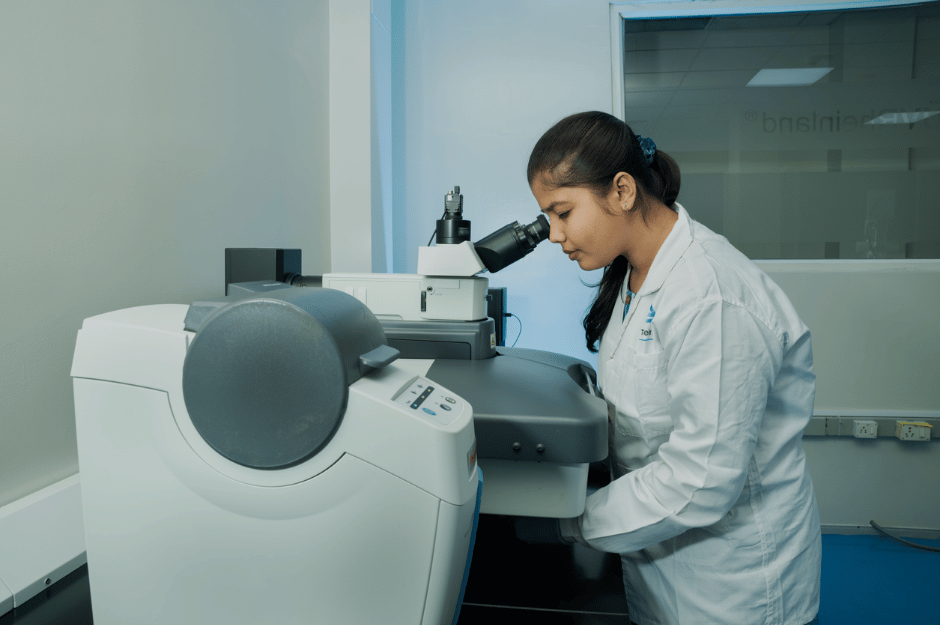
- Undetected structural flaws or dimensional inconsistencies revealed through Micro-CT, SEM or TEM, affecting mechanical stability and device functionality.
- Non-conforming material responses under ISO 10993, affecting device approval timelines and raising safety flags in medical applications.
ISO 13485 Audit
- Gaps in documentation, traceability, or risk management leading to audit non-conformance.
- Extended regulatory timelines due to non-alignment with ISO 13485 quality system requirements.
Request a quote today to discover how TÜV Rheinland can help you achieve global compliance, meet regulatory standards, and accelerate your path to international certification in the medical industry.
Connect With Us!


Back to top